
Key Takeaways
- Changes in personal care, meals, or medication routines may signal a need for extra support.
- Mobility changes and difficulty navigating the home can raise safety concerns.
- Shifts in social habits, mood, or memory may be worth a closer look.
- Struggling to manage household tasks or caregiving responsibilities.
Why These Changes Are Worth Your Attention
Changes in daily routines can be easy to overlook, especially when they happen gradually. You might notice that household chores take longer, meals become less regular, or familiar activities feel more difficult than they used to.
It may be worth exploring assisted living when everyday tasks like bathing, cooking, or managing medications become harder to handle independently. Paying attention to these changes can help you or your loved one explore what your options are.
7 Signs It May Be Time for Assisted Living
1. Everyday Tasks Become More Difficult
Daily tasks like bathing and dressing may take more time or effort than before. You might notice difficulty with buttons or getting in and out of the shower.
These are known as activities of daily living, which include everyday personal care tasks like bathing, dressing and eating. If these routines become harder to manage independently, it may be worth talking with your loved one about what support would feel helpful to them.
2. Preparing Regular Meals Becomes a Challenge
Meals may be skipped, or your loved one may find grocery shopping and meal preparation more difficult than before. You might notice food going unused or changes in their usual eating habits.
These changes can have several causes, so avoid making assumptions. If they persist or you notice unexplained weight loss, a health care professional can help identify possible causes and discuss next steps.
3. Managing Medication Becomes Difficult
Medications may be missed, taken more than once or left untouched. Your loved one may also have trouble remembering when to take them.
Ask whether their current routine is working for them. If managing medications has become difficult, explore options such as reminders, a pill organizer, or help with managing doses. When considering assisted living, ask what medication support each community offers.

4. Getting Around Safely Becomes More Difficult
Unexplained bruises appear, walking across a room looks less steady, or your loved one starts holding onto furniture for support. Stairs that once felt easy may also become more challenging.
Changes in balance and mobility can increase the risk of falls, particularly when the home has obstacles, poor lighting, or limited handrails.
5. Social Connections, Mood, or Memory Changes
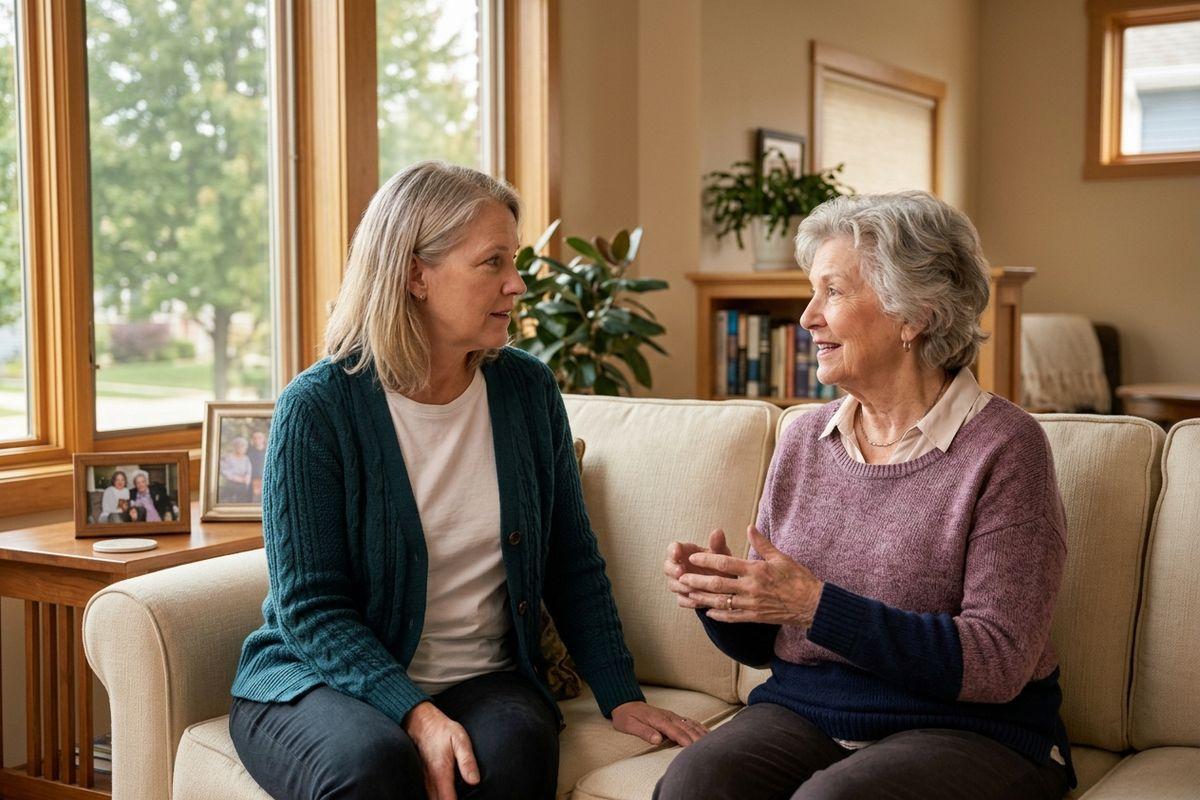
Your loved one may be spending less time with friends, participating less often in activities they enjoy or showing less interest in their usual routines. You might also notice repeated questions, missed appointments, or mood changes that feel out of character.
There are many reasons these changes can happen, including life transitions, health concerns, or difficulty getting out to see others. Checking in with your loved one can help you understand how they’re feeling and whether they’d welcome more opportunities to connect with others.
6. Household Chores & Responsibilities Pile Up
Laundry, mail, and clutter pile up in ways that never used to happen. The house may be harder to maintain, bills may go unpaid, or everyday errands may be left unfinished.
Look for changes in their routine rather than expecting your loved one’s home to meet a particular standard. A busy week or a temporary setback doesn’t necessarily indicate a need for more support. But if household responsibilities feel overwhelming for them, it may be worth discussing whether help would make daily life easier.
7. Caregiving Becomes Harder to Balance
You may find yourself coordinating appointments, preparing meals, checking medications, and worrying about what happens when you’re not there.
Caregiving can become challenging when trying to balance work, family responsibilities, and your own needs. Recognizing that you need support doesn’t mean you’ve let your loved one down. It can be a sign that you and your loved one need extra support.
Take the Next Step Toward a Fuller Life
Changes in daily routines can be a reason to explore additional support, but they don’t automatically mean a move is necessary. Noticing these changes early gives you and your loved one time to ask questions, explore options, and find a setup that works for them.
At Cardinal View Senior Living, we know that choosing a senior living community for your loved one is difficult. We take care of the little things, so you or your loved one can focus on doing the things they enjoy. Contact us to schedule a tour and learn more about our community.